


-66x66.png)

Security Systems and Data Privacy
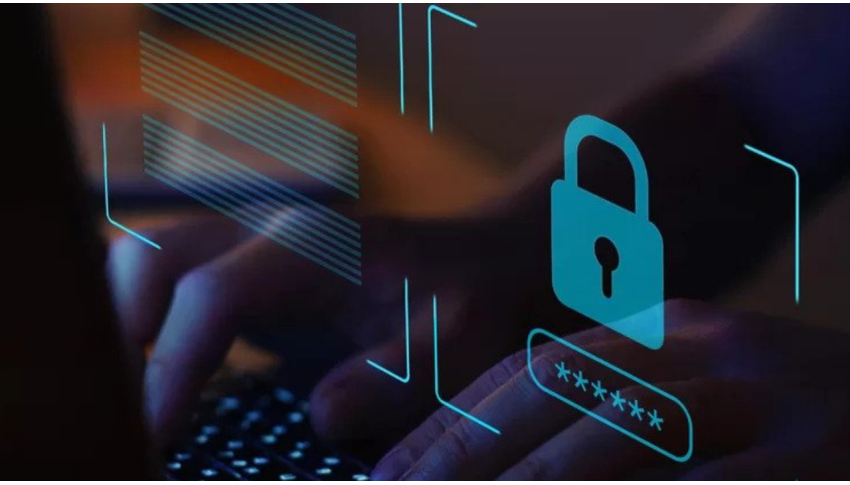
In the digital age, with technological developments offering many opportunities for home and workplace security, concerns about data privacy are also increasing. Thanks to features such as security cameras, alarm systems and remote monitoring, many people now feel safe. However, these systems also raise new problems in how they protect users' personal and private information.
Data Collection and Storage
The data collected by surveillance cameras and sensors is usually stored in a cloud system or on local storage. Protecting this data is critical for both the privacy of individuals and the protection of trade secrets for businesses. However, unauthorized access to this data can lead to serious privacy breaches.
Precautions Against Data Leaks
You can prevent data leaks by considering the following:
Strong Passwords: Ensure that passwords used to access your system are complex and unique.
Regular Updates: Keep up to date with software updates. This keeps your systems safe by closing security holes.
Two-Factor Authentication: If possible, use two-factor authentication. This makes unauthorized access more difficult.
Protection of Individual Privacy
If security cameras in your home are monitoring your neighbor's property or cameras in your workplace are invading the privacy of your employees, this can also lead to a privacy issue. To avoid such situations, you should carefully plan camera placement and inform all necessary stakeholders.
Conclusion; While security systems help individuals and businesses feel secure, they also need to be mindful of data privacy. Balancing these two needs ensures protection in both the physical and digital worlds. So, when installing or updating your security systems, you should always keep data privacy in mind.
Leave a Reply
Your email address cannot be published. Required fields are marked*
Comments: 1